
Can laser treatment remove all types of tattoos?
If you want a tattoo gone, the first thing to learn is whether a laser can handle that particular tattoo.
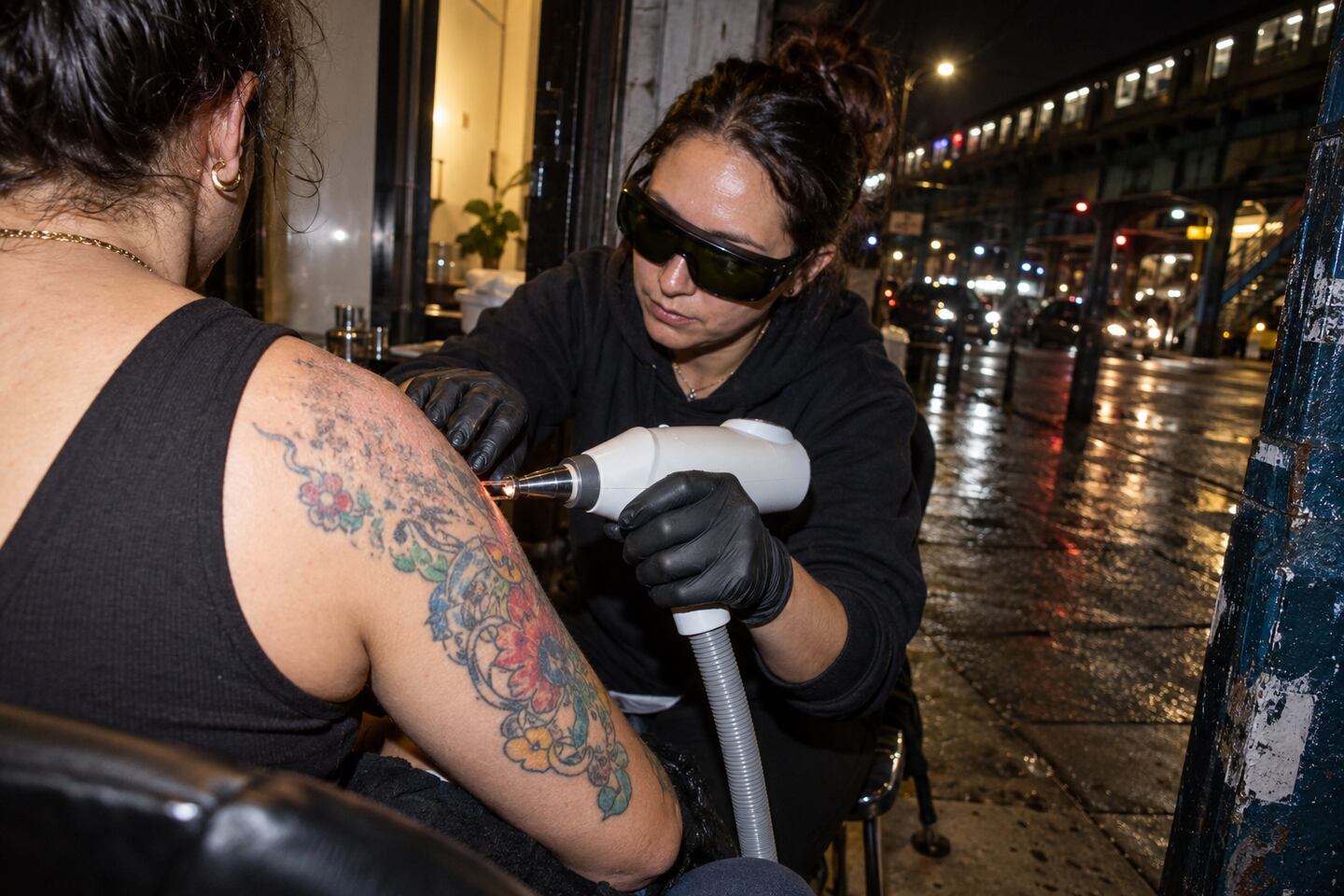
Whether your tattoo can come off
Do not expect a yes without an exam. A provider has to see the tattoo in person. Be wary of anyone who promises complete removal before that exam.
Fact-finding at the tattoo consult
Use the first visit to gather facts, and ask these questions while you are still only listening.
- Will you examine this tattoo, and what do you see that affects the result?
- How faded will it get, and what could hold the fading back?
- What session count do you have in mind, and how do you decide when to stop?
- What skin changes are possible, and which of them need a call?
The sources below cover other laser uses, not tattoo removal, but they show how lasers differ and what a patient can expect. For a look at one laser treatment, read a dermatologic surgery society's page on laser resurfacing. If you want to know more about the devices themselves, read the FDA page on medical lasers. If you want the dermatology view, read the academy's ten-point guide to laser treatment for scars and the questions about laser hair removal. They help you frame questions. They cannot forecast your tattoo.
Reporting a reaction between tattoo sessions
Bring a clear photo of the tattoo and the date it was done, if you know it. Ask for a printed plan and the clinic's number for questions between sessions. Blistering, spreading redness, fever or pain that gets worse after a session should be reported the same day. Trouble breathing or fainting is an emergency, so call emergency services.
A photo record across sessions
Keep the printed plan with your photo so you can compare one session with the next.